This module must be attended live as part of the Certificate structure. It can also be taken as an independent live training.
Participants are expected to have completed the SDS ACT Introductory Course or an equivalent minimum of 14 hours of structured introductory ACT training prior to attending this module and to be willing to share anonymised cases to discuss during the training.
This module must be attended live as part of the Certificate structure. It can also be taken as an independent live training.
About the course:
Type: Experiential Live Workshop
Length - 3 Full Days; 9.30 AM - 4.30 PM UK time; 21 CPD hours
Mode of delivery - Live on Zoom only
Attendance - Live attendance is mandatory. This is a fully experiential training and cannot be completed via recording. A recording will be provided to delegates who attend the full live training for revision purposes only.
In this course, you will be working on three key tools that are essential to any ACT practitioner:
awareness of one’s practice;
a theoretical understanding of one’s practice;
and a pragmatic approach to the implementation of context and theory awareness.
This course will therefore focus primarily on the process of engaging in ACT practice from a flexible stance, using the latest advances in theory and research to guide your future practice.
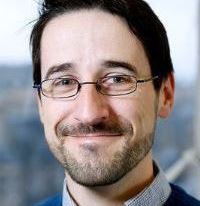
Prof Nuno FerreiraPhD, CPsychol, AFBPsS, Associate Professor of Clinical and Health Psychology, University of Nicosia, Cyprus
Dr Nuno Ferreira is an Associate Professor of Clinical Health Psychology at the University of Nicosia. He holds a Licenciature in Clinical Psychology from ISPA, Portugal, and a PhD in Clinical and Health Psychology from the University of Edinburgh.
It was the first intensive therapy training I have had for some years, and I really enjoyed the opportunity to learn about and experience a model new to me in such depth, pitched at exactly the right level. It’s left me with a lot to think about and apply to clinical practice going forward. Thank you to Professor Ferreira and SDS Team.
Would 10/10 recommend the training delivered by Nuno Ferreira as part of SDS BPS Approved Certificate on ACT, it’s led me on a great journey so far!